

Overview
Introduction
Educational equity is rooted in the principle that all students, regardless of race, ethnicity, ability, gender or gender identity, sexual orientation, language background, socioeconomic status, religion, or immigration history deserve fair access to a high-quality education. Diversity, equity, and inclusion (DEI) are not abstract ideals; they are essential frameworks for advancing educational equity.
In this toolkit, diversity refers to the presence and representation of different backgrounds, identities, perspectives, and experiences among students, educators, and staff. Equity means providing students with the specific resources and support they need to succeed by addressing historical and systemic barriers to opportunity. Inclusion ensures that all learners feel respected, valued, and able to participate fully in educational life.
DEI matters because educational systems continue to reflect and reproduce longstanding inequities. In K-12 education, these inequities appear in persistent achievement gaps, unequal school funding, disproportionate discipline and policing, barriers to language access, and inconsistent access to disability services and early intervention. In higher education, inequities emerge through disparities in admissions, retention, and completion; rising tuition and financial barriers; hostile campus climates; censorship; and growing attacks on DEI offices and infrastructure that support student success.
Together, these conditions undermine opportunity, safety, and community well-being, particularly for Black, Indigenous and other students of color (BIPOC), LGBTQ+ and gender-diverse students; immigrants and children of immigrants; students with disabilities or mental health conditions; low-income, rural, first-generation, veteran, religious minority, and system-impacted students.
Achieving educational equity requires more than equal treatment. It demands intentional action to address structural funding inequities, combat racial and ethnic disproportionality in special education identification, and embed DEI principles across curricula, educator preparation, and institutional policy.
Purpose and Scope of This Toolkit
This toolkit is designed to clarify rights, risks, and resources related to DEI for students, families, educators, administrators, and unions across both K-12 and higher education. It addresses public and private educational institutions, outlines relevant federal civil rights protections, and explains how state-level laws and enforcement structures shape students' experiences.
Rights in Practice
Students and educators are entitled to core protections, including:
- The right to nondiscrimination in admissions, academic programs, and employment
- The right to safe, harassment-free learning environments
- The right to participate in DEI-related supports, such as affinity groups, cultural programs, and inclusive curricula
- Free speech and academic freedom protections
Call to Action
At a time of escalating attacks on DEI, protecting inclusive education requires renewed commitment and collective action. This toolkit is intended to support proactive compliance, rights awareness, and effective advocacy. Readers are encouraged to use the resources provided to monitor policy developments, seek assistance when rights are threatened, and engage with organizations working to protect equitable access to education. Together we can safeguard students' rights and strengthen the institutions that serve them.
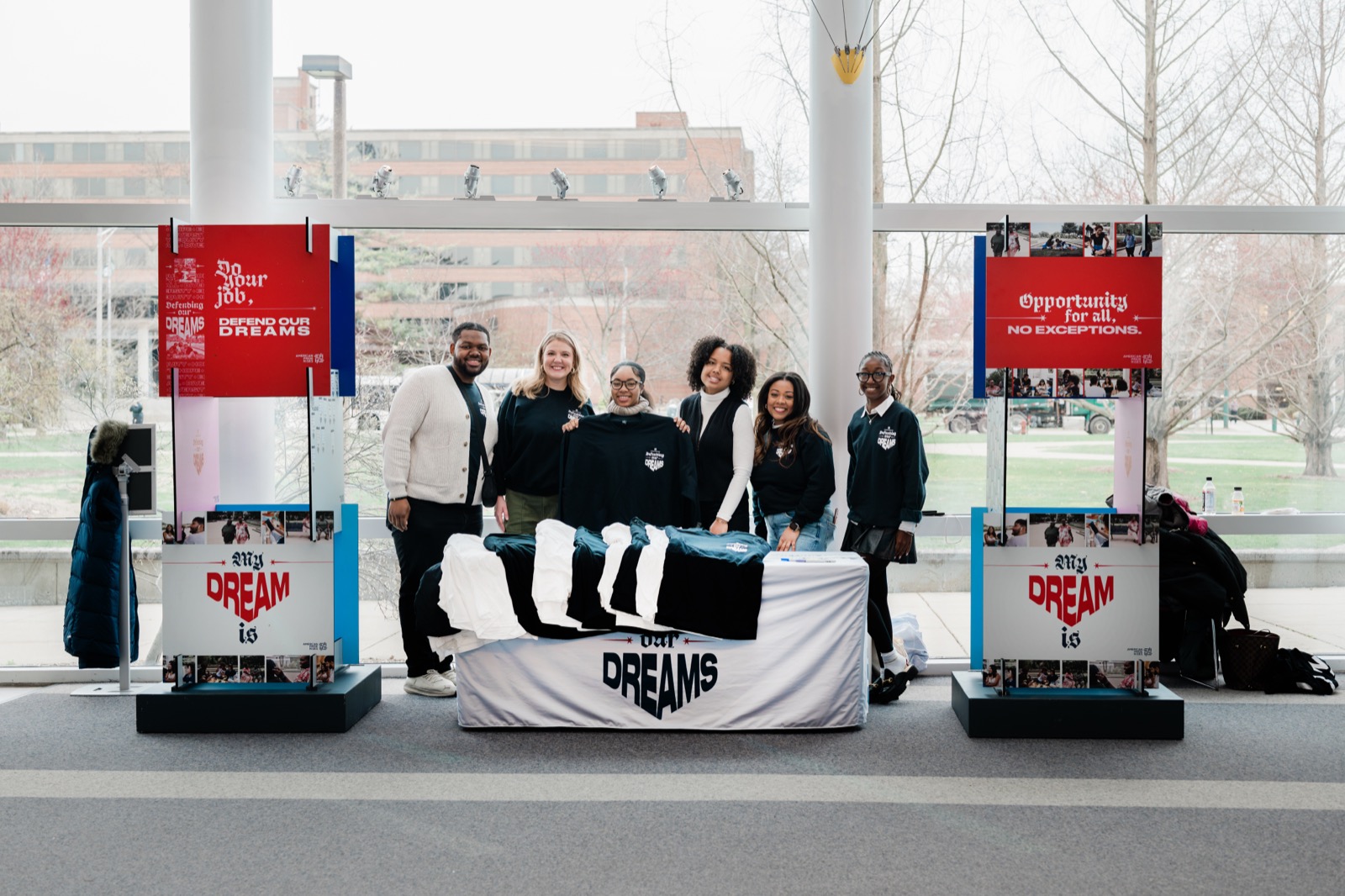
Defending Our Dreams Tour
Rights education rooted in community
The Defending Our Dreams initiative connects this Know Your Rights guide to APR Network's broader work supporting students, families, educators, and advocates navigating attacks on inclusive education.
Legal Framework
Legal Considerations
Education in the United States has been long shaped by law and public policy. In 1852, Massachusetts adopted the first compulsory education law through the School Attendance Act, requiring children ages 8-14 to attend school for at least 12 weeks per year. Other states gradually followed, and compulsory education became a nationwide practice by the early 20th century, with Mississippi being the last to enact such legislation in 1918.
You can review compulsory education laws by state for a comprehensive overview.
The U.S. Constitution does not provide the right to an education. A limited number of state constitutions explicitly recognize education to be a fundamental right, while other state constitutions require that education services be provided without expressly granting a right to students.
Historically, education has functioned as a legal and political instrument used to define citizenship, regulate freedom, and reinforce racial and social hierarchies, rather than a neutral public good equally protected by law. Access to education has determined who could claim full citizenship, participate politically, and achieve economic mobility. While government intervention has at times promoted equitable access, at other times, state and federal intervention has undermined educational opportunity for many students.
Even today, diversity is often framed as a threat to the status quo, equity resisted as a policy goal, and inclusion is portrayed as a challenge to systems rooted in exclusion.
Although education is not explicitly guaranteed by the U.S. Constitution, the Supreme Court has affirmed that when states provide public education, they must do so on an equal basis. Despite decades of legal and policy efforts to expand access for marginalized communities, recent political actions have intensified threats to these gains and heightened the urgency for response.
It is critical to recognize the attacks on education are also attacks on democratic participation. Importantly, many actions that support diversity, equity and inclusion remain lawful and necessary to protect students and enhance educational outcomes.
Understanding the legal landscape is essential for navigating both K-12 and higher education systems. Legal strategies to protect DEI in education may include:
- Litigation and court challenges, including challenges to anti-DEI laws and policies
- Civil rights enforcement, under statutes such as Title VI of the Civil Rights Act
- Policy advocacy to influence education policy at federal and state levels
- Direct legal services for students, parents, and educators facing discrimination
Legal Framework
Federal Protections (K-12 & Higher Education)
Federal law does not mandate that schools adopt "DEI programs" by name. Instead, it establishes a robust civil rights framework that requires educational institutions to provide equal access, nondiscrimination, and meaningful participation for students and employees across protected classes. Within this framework, many DEI-aligned practices are not only permissible but legally required.
Federal protections for equity in education are rooted in constitutional principles of equal protection, free speech, and academic freedom.
The Equal Protection Clause of the Fourteenth Amendment
Ensures that no state shall "deny to any person within its jurisdiction the equal protection of the laws." This means states cannot pass or enforce laws or policies that intentionally discriminate against people based on race, gender, national origin, religion, citizenship status, or other protected characteristics. All people or organizations employed by or acting on behalf of the government must honor these constitutional protections.
The Due Process Clause of the Fourteenth Amendment
States that no state shall "deprive any person of life, liberty, or property, without due process of law." This protects: (1) procedural due process; (2) individual rights incorporated from the Bill of Rights; (3) certain fundamental rights recognized by the courts, like the right of parents to make decisions regarding their children's upbringing.
The Fifth Amendment Due Process Clause
Provides the same basic protections as the 14th Amendment's Due Process Clause, but applies to actions taken by the federal government, not the states. It applies to federal agencies like the U.S. Department of Education or the Department of Justice.
Key Supreme Court Cases
- Brown v. Board of Education (1954) — Established that segregation in public education is inherently unequal, laying the foundation for race-conscious efforts to dismantle systemic inequities.
- United States v. Fordice (1992) — States must do more than eliminate overt segregation; they must also dismantle policies that perpetuate inequitable outcomes.
- Plyler v. Doe (1982) — Public schools may not deny access to education based on a student's immigration or citizenship status.
Title VI is the central federal statute governing race equity in education. It prohibits discrimination based on race, color, or national origin in any education program or activity receiving federal financial assistance.
Under Title VI, schools must ensure:
- Equal access to educational opportunities, including admissions, enrollment, discipline, and academic programming
- Protection for immigrant and undocumented students, consistent with Plyler v. Doe
- Freedom from racial harassment, including hostile environments
- Protections against retaliation for students, families, or employees who assert civil rights
English Learners and Language Access
- Districts must implement sound, effective educational programs for English language learners
- Schools must meaningfully communicate with limited English proficient (LEP) parents in languages they understand
- Language barriers may not prevent students or families from accessing programs, services, or information
Shared Ancestry and Ethnic Considerations
Title VI also protects students from discrimination based on shared ancestry or ethnic characteristics, and citizenship or residency in a country associated with a dominant religion or ethnic identity.
Title IX prohibits discrimination based on sex in federally funded education programs and activities. Every school district, college and university receiving federal funding must designate at least one employee to serve as its Title IX coordinator.
Covered protections include:
- Sex-based harassment and sexual violence
- Pregnancy and parenting discrimination
- Equal athletic opportunities
- Equal scholarship opportunities
- Equity in STEM programs and academic offerings
- Fair and nondiscriminatory dress code policies
- Protection against retaliation
Federal disability laws require schools to ensure equal access, inclusion, and appropriate support.
Americans with Disabilities Act (ADA)
- Title II prohibits disability discrimination by public entities, regardless of federal funding
- Requires accessible programs, services, facilities, and technology
- School districts must appoint an ADA coordinator and adopt grievance procedures
Section 504 of the Rehabilitation Act of 1973
- Prohibits disability discrimination by recipients of federal funds
- Requires equal opportunities and reasonable accommodations
- Applies to both K-12 and higher education
Individuals with Disabilities Education Act (IDEA)
- Guarantees eligible K-12 students a Free Appropriate Public Education (FAPE) in the Least Restrictive Environment (LRE)
- Requires special education and related services tailored to each child's needs
- Parents have rights to participate in IEP meetings and challenge decisions through dispute resolution
Across these laws, prohibited discrimination includes: denial of FAPE; failure to provide academic adjustments in higher education; inaccessible facilities or technology; disability-based harassment or bullying; improper use of discipline, restraint, or exclusion; and retaliation for asserting disability rights.
The Age Discrimination Act of 1975 prohibits age-based discrimination in federally funded education programs (excluding employment).
- Prohibits retaliation for filing complaints or advocating for protected rights
- Allows federal court action after specific administrative steps are met
- Equal Access Act (20 U.S.C. § 4071) — Prohibits public schools from denying students the First Amendment right to conduct meetings because of the content of their student-groups' speech
- Elementary and Secondary Education Act (ESEA) of 1965 — Directs federal funding to support low-income students
- Equal Educational Opportunities Act (EEOA) of 1974 — Bars states from discriminating against students based on gender, race, color or nationality and requires school districts to overcome language barriers
- McKinney-Vento Homeless Assistance Act — Ensures educational stability for youth experiencing homelessness, allowing enrollment and transportation without delay
Federal civil rights laws also prohibit discrimination in employment practices within education, including hiring, promotion, discipline, and retaliation. These protections apply across race, sex, disability, age, and national origin.
Federal civil rights laws create a permissive but structured framework for DEI-related activity:
- Schools are not required to adopt DEI initiatives by name
- Schools are required to avoid discrimination, provide equal access, and remedy inequities
- Many DEI-aligned practices (e.g., language access, disability accommodations, harassment prevention, inclusive curriculum) are legally mandated
Interpretation Matters
Federal agencies issue guidance interpreting how these statutes apply in practice. While interpretations may evolve across administrations, the statutory protections themselves remain binding. The underlying law remains good law, and courts have been upholding many longstanding civil rights protections.
Title VI as the Legal Touchstone
Whether a DEI-related policy, training, scholarship, or recruitment practice is lawful is often assessed under Title VI and related civil rights statutes. The underlying question remains whether the practice constitutes unlawful discrimination or advances equal educational opportunity.
Legal Framework
What's Protected vs. What's Restricted
School leaders committed to faithfully abide by civil rights laws and create safe, affirming schools are navigating an increasingly complex environment. While not comprehensive, these summaries outline some of the issues to consider while trying to protect equity in education for all students.
Generally Protected Practices
Still lawful, encouraged, and grounded in federal law
Civil Rights & Student Protections
- Federal civil rights laws (Title VI, Title IX, ADA, Section 504) prohibit discrimination based on race, color, national origin, sex, disability, and religion
- Schools must provide equal access to educational programs, services, and activities
- Students with disabilities are entitled to reasonable accommodations and support
- Addressing bullying and harassment based on protected traits is required
- Targeting additional support using race-neutral criteria (e.g., poverty, disability, English learner status) is consistent with civil rights compliance
Inclusive & Supportive School Practices
- Creating safe, welcoming learning environments for all students
- Providing academic support, mentoring, counseling, and wraparound services
- Using race-neutral criteria to target resources
- Discipline must be administered without discriminatory impact
Instruction & Curriculum
- Fact-based instruction on history, civics, race, and inequality aligned with state standards
- Teaching about cultural diversity, historical events, and multiple perspectives
- Anti-bullying and harassment prevention programs
- Inclusive materials that reflect diverse cultures and lived experiences
Cultural & Educational Activities
- Cultural heritage observances and educational programming that is inclusive and open to all students
- Student clubs that are voluntary and not exclusionary
First Amendment Considerations
- Students retain speech rights, balanced with schools' authority to maintain order
- Educators may teach approved curriculum without promoting discrimination
- Parents and guardians have rights to access records and participate in educational planning
Special K-12 Considerations
- Special Education: IDEA requires FAPE with individualized education plans
- Immigrant Learner Protections: Title VI prohibits discrimination based on LEP or national origin
- English Learner Protections: Title VI and the EEOA require action to overcome language barriers
- State Curriculum Restrictions: State statute and policy may impose limits on how topics like race, gender, and sexuality are taught
Potentially Restricted Practices
Highly state-dependent. Many restrictions are being successfully challenged in court.
- Instruction perceived as "race-based" or "assigning collective blame" (vague and subject to legal challenge)
- Certain discussions of gender identity or sexual orientation (restricted in some states)
- DEI-labeled programs or staff roles in states with prohibitions (e.g., Florida, Texas)
- Mandatory staff trainings labeled as DEI
Restricted or Commonly Challenged Practices
- Race-based quotas or preferential treatment — these have always been unlawful
- Compelled ideological speech by students or staff
- Segregating students by race for instruction or programming
- Instruction or training that creates a hostile or discriminatory environment
- Stereotyping students based on identity characteristics
Generally Protected Practices
Still lawful and encouraged
Civil Rights and Anti-Discrimination
- Federal laws (Title VI, Title IX, ADA, Section 504, ADEA) prohibit discrimination in admissions, employment, housing, and programs
- Institutions must ensure equal access and nondiscriminatory treatment
Academic Freedom and First Amendment
- Faculty and students have strong protections for teaching and discussing race, equity, gender, and power
- Research and open debate contributing to scholarly inquiry are lawful
Inclusive and Equitable Practices
- Broadening applicant pools through outreach and recruitment
- Mentoring, retention, and student success initiatives
- Use of holistic, race-neutral criteria in admissions and hiring
- Maintaining DEI or civil rights officers and offering voluntary, inclusive programming
Cultural, Research and Student Life Activities
- Heritage months and clubs open to all students
- Voluntary affinity groups and student organizations
- Collecting demographic data for research, accreditation, or compliance
Training and Programming
- Voluntary workshops on nondiscrimination, inclusive practices, and supportive services are lawful if they do not impose discriminatory conditions or compelled ideological adherence
Potentially Restricted Practices
- DEI offices, staff positions, or funding in states with bans
- Mandatory DEI training or required diversity statements
- Race-conscious initiatives viewed as discussing advantage or disadvantage
- Hiring or promotion criteria referencing DEI commitments
Restricted or Commonly Challenged Practices
- Quotas or numerical targets based on race, gender, or another protected trait — Students for Fair Admissions (SFFA) (2023) clarified that race as a deciding factor in admissions violates the Equal Protection Clause
- Race or gender as a tie-breaker in admissions, hiring, or scholarships
- Requiring diversity statements or loyalty oaths that violate academic freedom
- Race-exclusive programs or segregated training
- DEI activities that promote stereotyping, group guilt, or hostility
- Excluding individuals from scholarships solely on the basis of protected traits
Leading a Divided Campus: The Ohio State University's Moritz College of Law's Divided Community Project has updated its guide, Leading a Divided Campus: Ideas and Illustrations, Fourth Edition, with key recommendations including: listening to faculty, adopting empathic tones when requesting changes, encouraging peer dialogue, soliciting external support, and communicating frequently with moral clarity.
Current Landscape
State-Level & Federal Developments
States Restricting Use of DEI
Including DEI bans, curriculum restrictions, "divisive concepts" laws, attacks on DEI offices and student organizations, and speaker/event barriers.
States Strengthening Protections for DEI
Including statutes strengthening civil rights protections for students and teachers, language access, and codifying federal protections. For the most recent bills by topic and state, go to APR Network's Legislation Tracker.
Executive Actions Limiting DEI
The Federal Education Actions Tracker from Center for Law and Education summarizes actions recorded in the Federal Register as well as Executive Orders and other administrative actions.
- Federal actions targeting DEI have come in many forms: Executive Orders, Proposed Regulations, Final Rules, and Dear Colleague Letters
- Ending Civil Rights Investigations: efforts to close the Department of Education and effective shuttering of OCR and the Civil Rights Division's Educational Opportunities Section. OCR typically handles over 20,000 student complaints per year
- Undermining data collection — through erasure of communities or efforts to stop enforcing protections against disproportionate discipline
- Restructuring student loan repayment — increasing debt burdens on all students, hitting borrowers of color the hardest and deepening racial wealth gaps
The National Center for Youth Law's State of Civil Rights for Students and Schools resource offers a state-by-state summary of civil rights legal protections for students.

Current Landscape
Recent Litigation
The Supreme Court ruled that Harvard's and UNC's use of race as a factor in college admissions violates the Equal Protection Clause, effectively ending race-conscious affirmative action in college admissions. However, applicants can still describe how their personal experiences with race have shaped them.
A coalition of higher education, labor, and civil rights organizations challenged executive orders aimed at eliminating federal support for DEI programs. A federal judge initially issued a nationwide injunction blocking key provisions. The Fourth Circuit stayed the injunction, and on February 6, 2026, vacated the district court's preliminary injunction and remanded the case, ruling that the Plaintiffs lacked standing.
A judge blocked the Department of Education from enforcing a "Dear Colleague Letter" that would have eliminated DEI programs, finding the department likely acted unlawfully. The Department formally conceded and withdrew the letter, and the district court permanently invalidated it.
The AFT challenged a "Dear Colleague Letter" warning that federal funding would be withheld from institutions teaching critical history lessons or providing DEI programming. The District Court of Maryland vacated the letter and associated certification, holding both unconstitutional and in violation of the APA. In January 2026, the Trump Administration dropped its appeal, and the ruling stands — neither the letter nor the certification can be enforced.
Important: While a significant victory, the Department can still use other means to pursue anti-DEI goals. Local Education Agencies should watch for assurances in grant agreements and enforcement actions that undermine civil rights.
A court struck down the Biden administration's 2024 Title IX rules, ruling that the Department went beyond what the law allows when it expanded protections to include gender identity and sexual orientation. Brought by Tennessee, Kentucky, Ohio, Indiana, Virginia, and West Virginia.
The Supreme Court ruled that students with disabilities do not have to meet a higher legal standard to prove discrimination by schools and should be treated the same as other disability discrimination cases.
Parents sought to opt children out of read-aloud storybooks including LGBTQI+ characters. The Court held parents were entitled to a preliminary injunction. However, the case does NOT: require opt-outs from LGBTQ-inclusive books, ban LGBTQ-inclusive curricula, authorize censorship, or give parents a general right to control curriculum.
Litigation Challenging State Laws Restricting Race or Gender Instruction
Teachers challenged a "prohibited concepts" law. Judge Trauger sharply criticized the statute as unconstitutionally vague but dismissed the lawsuit for lack of standing since zero violations had been reported statewide. The judge did NOT uphold the law as constitutional.
One of the broadest challenges to a K-12 identity-based censorship law. SB 12 bans mention of race, ethnicity, gender identity, or sexual orientation; all GSA clubs; and all DEI programs in K-12 schools. Applies to more than 1,200 school districts. No ruling issued as of January 2026.
Challenges district "objectivity" and censorship policies enacted under Georgia censorship laws. Policies prohibited teachers from "influencing" students on political issues and were used to fire a teacher for reading My Shadow Is Purple. Case is ongoing.
Three core constitutional theories across states:
- Vagueness (Due Process) — Teachers cannot know what is prohibited
- First Amendment — Students have a right to receive information; teachers have speech protections
- Equal Protection / Title IX — Censorship laws disproportionately target LGBTQ+ students and students of color
Practical Tools
Messaging Guide
This section presents practical suggestions for documenting potential civil rights violations, including messaging frameworks, decision trees, and scenarios to help institutions assess risk, ensure compliance, and respond to DEI-related challenges.
Protecting DEI in K-12 Education
Why Equity, Access, and Inclusion Matter for Every Child
Who Is Impacted
Attacks on DEI most harm students who already face barriers:
- LGBTQ+ and gender-diverse students
- Immigrant students and children of immigrants
- Black, Indigenous, and students of color
- Students with disabilities or mental health conditions
- Low-income, rural, unhoused, foster, and justice-impacted youth
- English learners and religious minorities
Why DEI is Essential in K-12 Schools
Educational equity means ensuring every child gets what they need to succeed, not treating all students the same. Effective DEI in K-12 addresses funding inequities across districts and prevents racial bias in special education identification.
Persistent Inequities
- Achievement Gaps: Black, Hispanic, and Native American students continue to score lower in reading and math
- Resource Gaps: Wealthier districts spend significantly more per student than low-income and rural districts
- Discipline Disparities: Black students face harsher punishment for the same behavior as White peers
- Special Education Inequities: Students of color are often misidentified or denied needed services
Civil Rights Protections in K-12
- Supreme Court cases (Brown v. Board of Education, Plyler v. Doe)
- Title VI (race discrimination), Title IX (sex-based discrimination)
- Section 504 & IDEA (disability rights)
- ESEA & EEOA (low-income students and English learners)
Current Threats
- Executive actions restricting curriculum, discipline reform, and equity efforts
- State bans on DEI programs and educator training
- Elimination of federal enforcement mechanisms
K-12 DEI Priorities
- Inclusive, fact-based, and culturally responsive instruction
- Fair discipline policies that disrupt the school-to-prison pipeline
- Early childhood education and language access
- Strong enforcement of civil rights protections
Bottom Line: DEI ensures children can learn, belong, and thrive without fear or exclusion.
Protecting DEI in Higher Education
Defending Access, Belonging, and Student Success
Who Is Impacted
- First-generation and low-income college students
- Students of color and LGBTQ+ students
- Students with disabilities and mental health conditions
- Immigrants, veterans, and formerly incarcerated students
- Rural and religious minority students
Why DEI Matters in Colleges & Universities
DEI strengthens institutional excellence by:
- Supporting student recruitment, retention, and completion
- Ensuring inclusive curriculum and academic freedom
- Providing accommodations and language access
- Addressing bias, harassment, and discrimination
- Creating campus climates where all students can succeed
Persistent Inequities
- Lower college enrollment and completion rates for Black and Hispanic students
- Unequal access to advising, mentorship, and advanced coursework
- Campus climate issues that undermine belonging and mental health
- Disproportionate disciplinary and academic sanctions
Legal Foundations
- First Amendment protections for speech and protest
- Title VI, Title IX, Section 504 & ADA
- Federal financial aid programs tied to civil rights compliance
Current Threat Landscape
- Federal executive actions restricting DEI programs and accreditation standards
- State bans on DEI offices, training, and mandatory equity initiatives
- Litigation aimed at dismantling institutional equity infrastructure
Higher Education DEI Priorities
- Maintain DEI offices and compliance infrastructure
- Protect inclusive curriculum and academic freedom
- Enforce civil rights protections and precedent
- Support historically marginalized students through recruitment, retention, and completion
Bottom Line: DEI is not ideology — it is essential to educational access, legal compliance, and institutional success.

Practical Tools
Decision Trees
Decision Tree #1: What to Do if Your DEI-Related Rights Are Violated
Start
You believe your rights related to DEI (equity, nondiscrimination, inclusion, academic freedom, or access) have been violated. Have you documented the incident?
Document
Document the following immediately:
- Who was involved (individuals, departments, institutions)
- What happened (policy, action, decision, speech, etc.)
- When & where the incident occurred
- Impact (educational, professional, emotional, academic, financial)
Preserve emails, syllabi, policies, screenshots, recordings (if lawful). Then proceed.
Step 2
Identify the educational context. Is this a K-12 or higher education institution?
K-12 Path
Have you reported the issue internally?
Report Internally
Follow district hierarchy:
- Teacher or classroom staff (if appropriate)
- School administrator (principal or assistant principal)
- District-level administrator
- School board (formal complaint or public comment)
K-12
Was the issue addressed appropriately?
Resolved
Monitor implementation and retain documentation. If retaliation occurs, escalate.
Escalate
Is the issue related to discrimination, exclusion, or retaliation?
Seek Support
Consider consulting:
- State civil rights or human rights agencies
- State department of education complaint processes
- Education ombudsman (if available)
- Nonprofit or pro bono civil rights organizations
Seek Support
Consider consulting:
- Education advocacy organizations
- Parent/student rights groups
Resolution
Did the issue resolve?
Legal Counsel
Consult with: a civil rights attorney, education law attorney, or legal aid/pro bono initiative.
Higher Ed Path
Have you used internal institutional processes?
Report Internally
Report to:
- Department Chair or Dean
- Office of DEI/Equal Opportunity
- Title IX or nondiscrimination office
- Faculty governance or academic senate
- Student grievance or employee complaint process
Assessment
Was the internal response adequate?
Resolved
Monitor enforcement and document compliance. If retaliation occurs, escalate.
Escalate
Does the issue involve discrimination, access, or retaliation?
Seek Alternatives
Consider alternatives to federal OCR:
- State civil rights agencies
- Accreditation bodies
- State higher education oversight boards
- Civil rights nonprofits and advocacy groups
- Pro bono legal clinics
Seek Alternatives
Consider:
- Faculty unions or professional associations
- National higher education advocacy organizations
- Public accountability and coalition-based advocacy
Legal Counsel
Seek legal counsel if the issue includes:
- Employment discrimination or wrongful termination
- Denial of educational access or opportunities
- Suppression of protected academic speech
- Pattern or practice of institutional discrimination
Possible actions: consultation with a civil rights attorney, employment/education law specialist, or legal defense fund. Evaluate litigation vs. negotiated settlement.
At any stage, consider: Is the harm ongoing or systemic? Are others affected similarly? Would collective action or coalition-building strengthen the response? If yes, escalate strategically and consider elevating to the state Attorney General's office.
Decision Tree #2: Student Affinity Group Threatened in a K-12 School
Step 1
A school administrator threatens to shut down a student affinity group. Has the administrator explained why?
Request in Writing
Request that the administrator identify in writing the specific policy or legal authority used to justify the shutdown.
Step 2
Did the administrator state the group was shut down because it violated a specific policy?
No Policy Cited
Request in writing the specific policy and/or legal authority, and copy the Superintendent. Ask whether the policy has been applied consistently to other student organizations and whether the shutdown is temporary or permanent.
Step 3
Are other student groups permitted on campus?
No Groups
Encourage administrators to discuss with the school district and local civil rights organizations about the importance of student groups. Connect them with the Lawyers' Committee for Civil Rights Under Law for guidance.
Notify
Notify the administrator in writing (copy the Superintendent) that the decision raises significant legal concerns:
- Equal Access & Nondiscrimination: Cannot shut down a group serving a protected class if other groups are permitted
- Equal Access Act: Must provide equal access to all student organizations
- First Amendment: May restrict only if group causes material and substantial disruption
- State protections: May provide broader protections than federal law
Step 4: Document
Gather evidence showing other organizations continue to receive recognition, funding, or meeting spaces. Include prior approvals, budgets, meeting records, and communications referencing identity, DEI, or political pressure. Document the harm caused by the loss of the group.
Step 5: File Grievance
Follow district policies for alleging discrimination: appeal through school administrators, district officials, and formal school board grievance processes.
Step 6
Does the administrator permit the student affinity group to proceed?
Reinstated
Monitor compliance and document any future interference.
Step 7: State Complaints
File complaints with state civil rights agencies, state education departments, or human rights commissions. Go to the National Center for Youth Law's State of Civil Rights for Students and Schools resource to determine next steps.
Step 8
Are you running into delays or not getting a response through state/local complaint mechanisms?
Continue
Pursue the state or local complaint process. If you stop getting support, seek legal counsel. Continue to document ongoing harms.
Legal Counsel
Consider legal counsel when:
- There is evidence of systemic targeting of identity-based groups
- Retaliation against student leaders, advisors, or faculty
- A public institution engages in viewpoint discrimination or fails to follow its own policies
Decision Tree #3: Student Affinity Group Threatened at a College or University
Note: While there are differences between laws applying to private vs. public universities, most receive federal funding and are subject to many of the same civil rights protections.
Step 1
A university administrator threatens to shut down a student affinity group. Has the administrator explained why?
Request in Writing
Request that the administrator identify in writing the specific policy or legal authority used to justify the shutdown.
Step 2
Did the administrator state it violated a specific policy?
No Policy
Request in writing the specific policy, copying relevant university offices (e.g., Student Life, Student Belonging). Ask whether the policy has been applied consistently and whether shutdown is temporary or permanent.
Step 3
Are other student groups permitted on campus?
No Groups
Encourage administrators to talk to campus administration and civil rights organizations. Connect them with the Lawyers' Committee for Civil Rights Under Law.
Notify
Notify the administrator in writing (copy university legal counsel) citing legal concerns:
- First Amendment (Public): cannot shut down groups based on viewpoint or identity
- Federal Civil Rights Statutes: eliminating an affinity group may constitute unlawful discrimination
- Equal Protection (Public): selective enforcement may violate constitutional guarantees
- Contractual Rights (Private): must follow published policies and student handbooks
- Academic Freedom & Shared Governance: elimination may undermine these principles
Step 4: Document
Gather evidence of disparate treatment. Include prior approvals, budgets, meeting records, and communications referencing identity, DEI, or political pressure. Document the harm caused.
Step 5: File Complaint
File complaints through student affairs, equal opportunity offices, faculty/student governance, and campus ombuds offices. Reference equal access, nondiscrimination, and viewpoint neutrality.
Step 6
Does the administrator permit the affinity group to proceed?
Reinstated
Monitor compliance and document any future interference.
Step 7
Pursue complaints with state civil rights agencies, accrediting bodies, or higher education oversight authorities. Seek assistance from civil rights organizations or pro bono legal clinics. Go to the National Center for Youth Law's State of Civil Rights for Students and Schools resource.
Step 8
Are you running into delays or not getting a response?
Continue
Pursue the complaint process. If support stops, seek legal counsel. Continue documenting harms.
Legal Counsel
Consider legal counsel when:
- Evidence of systemic targeting of identity-based groups
- Retaliation against student leaders, advisors, or faculty
- A public institution engages in viewpoint discrimination or fails to follow its own policies
Practical Tools
Case Scenarios
1. Document the directive immediately
Write down who gave the order, when, what exactly was said, and whether it was written or verbal. Save emails, memos, meeting notes, or screenshots. Note whether the directive cites a policy, law, or guidance.
2. Request the directive in writing
This forces clarity, prevents shifting explanations, creates a record for legal review, and protects teachers from later accusations. If administrators refuse, document that refusal.
3. Ask for the specific legal authority
- What statute, regulation, or board policy requires this removal?
- What part of the curriculum is allegedly unlawful?
- How does this align with federal civil rights obligations?
4. Do not destroy or alter materials
Securely store them, keep copies, maintain version history. This protects teachers if the directive is later found unlawful.
5. Consult your union, if applicable
Unions can review the directive, provide legal counsel, file grievances, protect against retaliation, and coordinate collective responses.
6. Contact a civil rights organization
Reach out to: ACLU, NAACP Legal Defense Fund, GLSEN, Lambda Legal, PEN America's Educator Defense Fund, or National Women's Law Center.
7. Avoid unilateral defiance — but do not waive your rights
- Do not concede that inclusive curriculum is unlawful
- Do not sign statements admitting wrongdoing
- Do not agree to gag orders or "loyalty pledges"
8. Document any retaliation or hostile environment
If the directive is accompanied by threats, harassment, negative evaluations, removal of duties, or public shaming — document everything. Retaliation for advocating for students' civil rights can itself violate federal law.
9. Continue supporting students within the law
- Use neutral, evidence-based teaching practices
- Maintain inclusive classroom norms
- Support students' identities through non-curricular interactions
- Provide accurate information when asked directly by students
- Uphold Title VI and Title IX obligations to prevent harassment
10. Report patterns of discrimination
If the directive disproportionately harms LGBTQ students, students of color, students with disabilities, religious minorities, or immigrant/multilingual students, document and report to civil rights organizations, unions, and advocacy coalitions.
1. Document the denial immediately
Record who told you, what reason was given, save emails/screenshots, and request it in writing if not already.
2. Request the denial in writing and ask for the specific policy
Universities must follow clear, viewpoint-neutral policies. Ask for the exact policy, whether it is content-neutral, and whether it has been applied consistently.
3. Check for viewpoint discrimination
- Have other groups brought comparable speakers?
- Is the university applying the rule only to certain viewpoints?
- Is the university using vague or overbroad policies?
4. Ask for alternatives
If the university cites safety, space, scheduling, or security costs, request a different room, different date, or university-funded security plan. Public universities cannot charge more because a speaker is controversial.
5. Understand implications of voluntary cancellation
Voluntary cancellation weakens future legal claims, allows the university to say you "chose" not to host, and removes the record of censorship. Talk to counsel before deciding.
6. Contact a civil-rights or free-expression organization
- FIRE — direct advocacy for speaker denials
- ACLU — defends First Amendment rights
- PEN America — guidance on campus free-speech conflicts
7. Document any retaliation or unequal treatment
Loss of funding, recognition, room restrictions, investigations, or public criticism by administrators should all be documented.
8. Public universities: the First Amendment applies
They cannot deny a speaker because the administration disagrees, because others might protest, or impose special burdens on controversial speakers.
9. Private universities: check policies and commitments
Promises of free expression, viewpoint diversity, and academic freedom can be enforceable through student handbooks, codes of conduct, institutional policies, and accreditation standards.
Practical Tools
Filing a Complaint
Practical Advice when Considering Filing a Complaint with State or Local Authorities to Enforce Civil Rights Protections
Before Filing Complaints
A person who begins to feel discriminated against should:
- Keep a written contemporaneous record of what's happening with dates, times, names, and locations
- Keep a record of any expenses undergone due to the alleged discrimination — this should help determine settlement and/or fine or award amounts
- Keep a record of who you tell about the events, by name and date
- If you file a complaint, stay in touch with the agency every couple of weeks to find out the status of the investigation
- Consider sending a demand letter to potential respondents like schools or school districts, telling them that continued actions will result in discrimination claims
- If the school continues discriminatory actions, having a demand letter on record can be used to show intent
- Consider writing a letter to your state legislator or federal congressional representative — they can often get agencies to take action on your behalf
When Filing Complaints
Generally, people who file complaints should include:
- Names and contact information
- As much factual information about the alleged discrimination as possible
- Why you feel you or your student was discriminated against
- Whether the discrimination is one-off or continuing
- Magnitude, severity, and frequency of the discrimination
- Name of the person who discriminated against you and/or your student
- Dates of alleged adverse events
- Where you feel comfortable, include compelling emotional personal information to get the adjudicator on your side
- If possible, include lists of witnesses the investigators should interview, documents they should examine, and other possible victims of discrimination
Resources
Organizations Directory
This section connects students, parents, and advocates to trusted national, regional, and state partners defending equity and inclusion in education.
American Civil Liberties Union (ACLU)
Litigates, advocates, and provides legal guidance to protect students' civil rights and ensure equal access to education.
LegalProtects civil rights of Asian American and immigrant students through litigation, policy advocacy, and language equity.
LegalAsian Americans Advancing Justice
Addresses discrimination, advances language access, and advocates for equitable educational policies for AANHPI students.
LegalChicago Lawyers' Committee for Civil Rights
Advances DEI through impact litigation, policy advocacy, and community partnerships in K-12 and higher education.
LegalCouncil of Parent Attorneys and Advocates (COPAA)
Empowers families, attorneys, and advocates to protect the civil and special education rights of students with disabilities.
LegalDisability Rights Education & Defense Fund (DREDF)
Advocates for inclusive education policies and enforces disability rights to ensure equal access and accommodations.
LegalPursues legal and policy reforms ensuring equitable school funding, resources, and opportunities for underserved students.
LegalGLBTQ Legal Advocates & Defenders (GLAD)
Defends rights of LGBTQ+ students through litigation, advocacy, and policy work for safe, inclusive learning environments.
LegalAdvocates for equitable policies and litigates to protect the civil rights of Latino students and families.
LegalLawyers' Committee for Civil Rights Under Law
Eliminates racial and other inequities in K-12 and higher education through legal advocacy, policy reform, and enforcement.
LegalAdvancing DEI Initiative at NYU Law
Offers resources including a DEI litigation tracker summarizing the DEI legal landscape, including attacks on education.
LegalNAACP Legal Defense and Education Fund
Litigates and advocates for racial equity, defending inclusive curricula and equipping communities with tools for equitable education.
LegalNational Center for Youth Law (NCYL)
Uses litigation, policy reform, and advocacy to ensure marginalized youth have equitable access to quality education.
LegalNational Women's Law Center (NWLC)
Advocates for gender equity, enforcing Title IX protections and addressing intersections of race, gender, and economic justice.
LegalSouthern Poverty Law Center (SPLC)
Combats discriminatory practices, promotes inclusive school policies, and provides resources to address bias and inequity.
LegalAll4Ed (Alliance for Excellent Education)
Advances research-based policies to improve outcomes and close opportunity gaps for historically underserved students.
AdvocacySupports affirmative action, access, and equity initiatives through advocacy, professional development, and legal engagement.
AdvocacyAmerican Consortium for Equity in Education
Provides research, training, and policy guidance to educators and institutions committed to advancing equity.
AdvocacyData-driven resources including equity dashboards, policy scans, and advocacy toolkits to address systemic barriers.
AdvocacyConvenes organizations to advocate for inclusive policies expanding access, equity, and belonging in education.
AdvocacyPromotes ethical, equitable college admissions practices and expands access for underrepresented students.
AdvocacySupports students from underrepresented backgrounds through mentorship, career readiness, and higher education access.
AdvocacyAdvocates for policy reforms improving educational equity, student outcomes, and opportunities for underserved families.
AdvocacyAdvances DEI through research, policy advocacy, and initiatives focused on equity for students of color in the South.
AdvocacyThe Leadership Conference Education Fund
Provides policy frameworks and advocacy tools promoting equitable funding, inclusive climates, and quality education.
AdvocacyNational Center for Lesbian Rights
Defends legal rights of LGBTQ+ students and families for safe, inclusive, nondiscriminatory educational environments.
AdvocacyAIR (Association for Institutional Research)
Promotes ethical use of data, research, and analytics to inform equitable policies and student success strategies.
ResearchAERA Institute of DEI in Education Research
Builds research capacity, supports scholars, and promotes rigorous, equity-centered education research.
ResearchBrookings Brown Center on Education Policy
Offers expert opinions on education-related topics.
ResearchConducts research on education policies, including equity-focused initiatives, to address disparities in access and outcomes.
ResearchFocuses on improving outcomes for Latinx students through research, advocacy, and inclusive higher education practices.
ResearchNational Education Policy Center
Conducts independent research on education policy, including equity-focused analyses to inform practices and legislation.
ResearchOthering & Belonging Institute — UC Berkeley
Investigates systemic inequities and develops strategies to foster inclusion, equity, and belonging.
ResearchProvides policy research and evaluation on educational equity from K-12 through higher education.
ResearchProduces research and actionable strategies to dismantle systemic inequities in education.
ResearchAdvocates for Asian American and Pacific Islander students' rights, promoting inclusive campus policies.
Student-LedNational DEI Defense Coalition
Organizes students to protect and advance DEI initiatives in education against restrictive policies.
Student-LedMobilizes students in Texas to support DEI initiatives through advocacy and awareness campaigns.
Student-LedEngages students nationwide to defend and expand equitable and inclusive educational opportunities.
Student-LedTrans Student Educational Resources (TSER)
Empowers transgender and nonbinary students with educational resources, advocacy, and community support.
Student-LedResources
State Civil Rights Enforcement Options
If you experience or witness an attack on diversity, equity, and inclusion in your school or district, you have multiple avenues to report your grievance. Start by documenting the incident carefully.
- Internal School or District Procedures: Complaints are often first submitted to a teacher, principal, or district equity officer. Schools are generally required to investigate and take corrective action if discrimination is found.
- State Departments of Education: Most state education agencies have Pupil Nondiscrimination Programs that investigate complaints alleging inequitable treatment, harassment, or policies undermining DEI.
- State Civil Rights or Human Rights Agencies: These agencies enforce state antidiscrimination laws and can investigate systemic or severe DEI violations.
- State Courts: For unresolved or constitutional-level issues, parents, students, or advocates may file legal actions.
- University/College Internal Offices: Complaints are typically submitted to Title IX offices, equity and diversity offices, or ombuds offices.
- State Civil Rights or Higher Education Agencies: Many states allow complaints against colleges alleging violations of state nondiscrimination or civil rights laws.
- State Courts: Students, faculty, or staff can pursue legal action if discriminatory practices violate state laws or constitutions.
In both systems, maintaining thorough documentation and seeking support from civil rights organizations or legal counsel are essential to ensuring DEI violations are properly investigated and remedied.
New 50-state student civil rights resource: The National Center for Youth Law's Education Defense Fund has launched State of Civil Rights for Students and Schools, a tool that helps families and advocates identify student civil rights protections as federal enforcement weakens. The resource compiles key education civil rights laws and pathways for action in every state and the District of Columbia.
Resources
Additional Tools
FAQs, toolkits, reports, data sources, and trackers to support informed action and coalition building.
FAQs
- APR FAQ for Higher Education — Clear language and evidence to counter anti-DEI narratives and affirm DEI as essential to institutional success
Toolkits
- The Leadership Conference Education Fund's Educational Equity Toolkit — Practical advocacy guide equipping parents, community members, and advocates with strategies for fair access
- National Center for Youth Law — Federal Advocacy Toolkit for Parents and Caregivers
Reports
- National Center for Youth Law — In Harm's Way: The Persistence of Unjust Discipline Experienced by California's Students
- UNESCO's Education 2030 Framework for Action — Inclusive and equitable quality education
- Leading a Divided Campus, Fourth Edition — Building trust, enhancing responsiveness, and contingent planning
Data Sources
- APR Legislative Tracker and State Data Profiles — State-by-state summaries of civil rights statutes and anti-DEI measures
- National Center for Education Statistics (NCES) — Data and resources on diversity and equity in education
- Pew Research Center — Studies on diversity, equity, and inclusion in education
- Urban Institute Education Data Explorer — Custom datasets for actionable education insights
Litigation Trackers
- Civil Rights Litigation Clearinghouse
- Just Security Litigation Tracker
- Meltzer Center's Advancing DEI Initiative
- NAACP LDF Litigation Tracker
Legislative Trackers
- Chronicle of Higher Education DEI Legislation Tracker
- Congressional Black Caucus Foundation Executive Order Tracker
- Council on Social Work Education DEI Ban Tracker
- The Leadership Conference Executive Orders Tracker
Education Federal Policy Trackers
- Federal Education Actions Tracker — From Center for Law and Education, summarizes Federal Register actions, Executive Orders, and guidance
Appendices
Appendices
Academic Freedom: The right of teachers, students, and researchers to express ideas and teach accurate, evidence-based content without risk of interference, censorship, or retribution. Includes the rights of students to receive accurate information.
Affirmative Action: Corrective programs or policies aimed to remedy past discrimination in education and the workplace.
Civil Rights: Protections guaranteed by the government against individual or group discrimination or unequal treatment.
Compelled (or Required) Speech: Speech requiring a person or organization to say something. Under certain circumstances, this may constitute a First Amendment violation.
Discrimination: Unequal treatment of a person or group of people.
Disparate Impact: Policies or practices that may appear neutral but result in unjustifiable discrimination.
Free Speech: The right to express opinions and ideas without government interference, censorship, retaliation, or punishment. Discrimination can silence speech just as effectively as censorship.
Material and Substantial Disruption: Conduct that intentionally and significantly prevents others from expressing their rights and/or interferes with educational functions. Schools cannot label speech "disruptive" simply because it is controversial or uncomfortable. From Tinker v. Des Moines, 393 U.S. 503 (1969).
Procedural Due Process: A legal principle that outlines the steps a government must take (notice, hearing, neutral judge) to ensure fair treatment before depriving a person of life, liberty, or property.
Protected Characteristic: A personal attribute safeguarded by law from discrimination, including race, color, ethnicity, religion, sex, national origin, disability, and veteran status.
K-12 & General Education
- Elementary and Secondary Education Act (ESEA) of 1965: Allocated federal funds to help ensure low-income students had equal access to quality education
- McKinney-Vento Homeless Assistance Act: Ensures students experiencing homelessness have the right to enroll in and attend school without barriers
Postsecondary & Vocational
- The First Amendment: Protects students' and professors' rights to free speech and protest on campuses
- Equal Educational Opportunities Act (EEOA) of 1974: Requires school districts to take action to overcome language barriers for ELL students
- Rehabilitation Act of 1973 (Section 504): Prohibits disability discrimination in programs receiving federal funding
Civil Rights & Equity
- Equal Protection Clause (14th Amendment): "No State shall deny to any person the equal protection of the laws."
- Title IX of the Education Amendments of 1972: Prohibits sex-based discrimination in federally funded education programs
- Title VI of the Civil Rights Act of 1964: Prohibits racial discrimination in federally funded education programs
- Title VII of the Civil Rights Act of 1964: Prohibits employment discrimination based on race, color, religion, sex, or national origin
Students with Disabilities
- Americans with Disabilities Act (ADA): Prohibits disability discrimination in public and private institutions, including schools
- Individuals with Disabilities Education Act (IDEA): Ensures access to appropriate services for students with disabilities
- Section 504 of the Rehabilitation Act: Prohibits disability discrimination, mandating equal opportunities
For a comprehensive state-by-state summary of civil rights and anti-DEI legislation, see the APR Network Legislative Tracker.